Thinking about installing a paver patio in New Jersey? One of the first questions homeowners ask is how much the project will cost. While every patio is different, understanding typical price ranges can help you budget properly, compare options, and make informed decisions before construction begins.
A professionally installed paver patio can transform your backyard into a more usable outdoor living space. Whether you want a small grilling area, a backyard seating zone, a walkway, or a larger entertainment patio, pavers can add structure, curb appeal, and long-term function to your property.
The cost of a paver patio in NJ depends on several factors, including the size of the patio, the type of pavers selected, existing site conditions, excavation, drainage, access to the work area, and any custom design details.
This guide breaks down average paver patio costs in New Jersey, what impacts pricing, how pavers compare to concrete, and what homeowners should know before starting a patio project.
Average Paver Patio Cost in NJ
Most professionally installed paver patios in New Jersey cost between $15 and $40 per square foot. Basic patios with standard materials and simple layouts usually fall on the lower end, while larger patios with premium pavers, borders, steps, walls, lighting, or drainage improvements can cost more.
Typical NJ paver patio cost: Most homeowners spend between $5,000 and $20,000+ for a professionally installed paver patio, depending on size, materials, site prep, and design complexity.
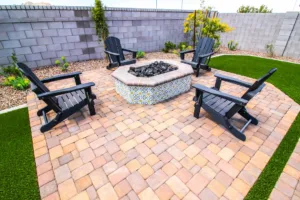
A small patio may be enough for a grill and a few chairs, while a larger outdoor living space may include dining areas, seating areas, fire pit zones, walkways, or transitions to decks, porches, and back doors.
Paver Patio Cost by Size
Patio size is one of the biggest pricing factors. More square footage means more excavation, base material, pavers, edge restraint, joint sand, labor, and time.
| Patio Size | Square Feet | Typical Cost Range |
|---|---|---|
| 10′ x 10′ | 100 sq ft | $1,500 – $4,000 |
| 12′ x 16′ | 192 sq ft | $3,000 – $7,500 |
| 15′ x 20′ | 300 sq ft | $5,000 – $12,000 |
| 20′ x 20′ | 400 sq ft | $6,500 – $16,000+ |
| Large Entertainment Patio | 600+ sq ft | $10,000 – $25,000+ |
These are general planning ranges. The final price depends on the condition of the yard, drainage needs, selected materials, and any custom features.
What Affects the Cost of a Paver Patio?
Two patios with the same square footage can have very different prices. The reason is that patio installation is not just about laying pavers. A long-lasting patio depends on proper prep, grading, drainage, base installation, compaction, edge support, and finishing details.
Excavation & Site Prep
Removing grass, roots, old concrete, uneven soil, landscaping, or existing hardscape can increase labor and disposal costs.
Drainage Requirements
Drainage is critical in New Jersey. Poor grading can cause standing water, shifting, washouts, and long-term patio failure.
Paver Selection
Standard concrete pavers are usually more affordable. Premium pavers, textured finishes, and larger-format systems cost more.
Design Complexity
Curves, borders, patterns, steps, seat walls, lighting, and custom layouts require more labor and materials.
Site Preparation Matters
The most important part of a paver patio is what you do not see. A patio needs a properly prepared base to stay level and stable over time.
Site preparation may include excavation, grading, compaction, base stone, bedding material, edge restraints, and drainage adjustments. If the ground is soft, uneven, poorly drained, or difficult to access, the project may require additional preparation.
Cutting corners on the base is one of the biggest reasons paver patios fail. The surface may look good at first, but poor prep can lead to sinking, shifting, low spots, weeds, drainage issues, and uneven pavers.
Drainage Can Affect Patio Pricing
New Jersey patios need to handle rain, snow, ice, humidity, and freeze-thaw conditions. If water sits on the patio or drains toward the home, it can create serious problems.
Proper drainage planning may include slope adjustments, grading, base preparation, water direction, or additional drainage solutions depending on the property.
Drainage work can add to the cost, but it is often worth it. A patio that drains correctly will usually perform better and last longer.
Does the Type of Paver Change the Price?
Yes. Paver selection can have a major impact on the final cost of the project.
Basic concrete pavers are usually the most budget-friendly option. Premium pavers, textured pavers, multi-piece systems, natural stone-style pavers, and specialty colors usually cost more.
Common paver options include:
- Standard concrete pavers
- Textured concrete pavers
- Large-format pavers
- Multi-piece pattern pavers
- Stone-look pavers
- Permeable pavers
- Border and accent pavers
The best choice depends on your budget, home style, maintenance preferences, and how the patio will be used.
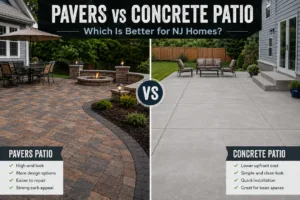
Paver Patio Cost vs Concrete Patio Cost
Concrete patios usually cost less upfront than paver patios. However, pavers often provide better long-term value because individual pavers can be repaired, replaced, or re-leveled without removing the entire patio.
| Feature | Paver Patio | Concrete Patio |
|---|---|---|
| Upfront Cost | Usually higher | Usually lower |
| Repairability | Individual pavers can be reset or replaced | Cracks and patches are often visible |
| Design Options | Many colors, patterns, and borders | More limited unless stamped or decorative |
| Curb Appeal | High | Moderate to high depending on finish |
| Long-Term Flexibility | Easier to modify or repair | Harder to alter cleanly |
If budget is the main concern, concrete may be the lower-cost option. If appearance, repairability, and long-term curb appeal matter more, pavers are often the stronger choice.
Do Paver Patios Add Value to a Home?
A well-built paver patio can improve curb appeal and make a home more enjoyable. Outdoor living spaces are attractive to many homeowners because they create usable areas for relaxing, grilling, dining, and entertaining.
While every property and market is different, a clean and functional patio can make the backyard feel more complete. It also helps define the space, especially when paired with walkways, landscaping, lighting, decks, porches, or exterior upgrades.
How Long Do Paver Patios Last?
When properly installed, a paver patio can last several decades. The lifespan depends on the quality of excavation, base prep, drainage, compaction, edge restraints, materials, and maintenance.
Over time, some patios may need joint sand refreshed, individual pavers reset, or minor leveling adjustments. One advantage of pavers is that repairs can often be done in sections.
Are Paver Patios Worth the Cost?
For many homeowners, yes. Paver patios cost more than simple concrete in many cases, but they offer major advantages in appearance, repairability, design flexibility, and outdoor living value.
A properly installed paver patio can make the backyard feel more usable and more finished. For homeowners who plan to stay in the home and enjoy the space, the value is often both practical and personal.
Can You Install a Paver Patio Yourself?
Some homeowners attempt small DIY paver patios, but larger patios are often more difficult than they appear. Excavation, grading, drainage, base depth, compaction, cutting, and edge restraint all matter.
DIY mistakes can lead to uneven surfaces, poor drainage, shifting pavers, low spots, and early repairs. For larger patios, complex layouts, or properties with drainage concerns, professional installation is usually the safer choice.
Common Paver Patio Cost Mistakes
- Choosing the cheapest estimate without comparing prep work
- Ignoring drainage and grading
- Not asking what base materials are included
- Skipping edge restraints
- Choosing materials only by color
- Not planning enough space for furniture or walkways
- Forgetting about permits or zoning approval when required
A patio should be planned around both appearance and performance. The lowest price is not always the best value if the installation does not hold up.
Do You Need a Permit for a Paver Patio in NJ?
Permit and zoning requirements vary by town. A simple ground-level patio may not require a construction permit, but zoning approval may still be required depending on local rules.
Towns may review patios for setbacks, impervious coverage, drainage, grading, and placement on the property. Raised patios, covered patios, patios with retaining walls, or patios involving electrical, plumbing, or gas work may require additional approvals.
Before starting a patio project, homeowners should check with their local building or zoning office.
Paver Patio Cost in Monmouth & Ocean County
Homeowners in Monmouth County and Ocean County often need to consider drainage, coastal moisture, sandy soil, grading, and seasonal weather when planning outdoor living projects.
Shore-area properties and older homes may require extra planning to make sure the patio drains properly and ties into the rest of the exterior in a clean, durable way.
How Iron Bear Projects Helps
Iron Bear Projects designs and installs paver patios, walkways, exterior upgrades, and outdoor living spaces throughout Monmouth County and Ocean County, NJ.
We help homeowners plan layouts, choose materials, understand drainage needs, and build outdoor spaces designed for long-term performance.
Learn more about our exterior construction services here: Exterior Services in Monmouth & Ocean County, NJ
Paver Patio Cost FAQs
Frequently Asked Questions
Most professionally installed paver patios in New Jersey cost between $15 and $40 per square foot, depending on materials, site conditions, drainage requirements, and project complexity.
Most homeowners spend between $5,000 and $20,000+ for a professionally installed patio, depending on size, paver selection, drainage needs, and additional features.
Typically yes. Paver patios usually have a higher upfront cost than concrete patios, but they often provide better long-term durability, repairability, and curb appeal.
When properly installed and maintained, a paver patio can last several decades. Proper excavation, drainage, base preparation, and installation are critical factors.
Factors include patio size, excavation requirements, drainage conditions, paver selection, accessibility, site grading, design complexity, borders, lighting, and other custom features.
Many homeowners find that professionally installed outdoor living spaces improve curb appeal, increase usable space, and make a property more attractive to future buyers.
Some patios may not require a construction permit, but zoning approval may still be necessary depending on your municipality. Always check local requirements before construction begins.
Iron Bear Projects designs and installs patios, pavers, walkways, and outdoor living spaces throughout Monmouth County and Ocean County, NJ.
Ready to Build Your Dream Patio?
Iron Bear Projects designs and installs paver patios, walkways, outdoor living spaces, and exterior improvements throughout Monmouth County and Ocean County, NJ.
Whether you’re planning a small backyard patio or a large outdoor entertainment space, our team can help create a durable, attractive solution built to last.
Request a Quote